
The human spine naturally curves forward and backward to absorb shock and support the body’s weight. However, when the spine rotates or curves sideways in a "C" or "S" shape, the condition is known as scoliosis. While it can affect individuals of any age, it is most frequently diagnosed in children and adolescents during their growth spurt years, typically between the ages of 10 and 15. This structural change in the backbone's alignment is one of the most common spinal conditions, affecting roughly 2–3% of the population. Although a diagnosis of a spinal deformity can feel overwhelming for parents and patients alike, the vast majority of cases are mild and do not significantly impact daily life. Most people with this condition lead active, normal lives without severe restrictions. However, because the curvature can progress during periods of rapid growth, early detection and monitoring are crucial. Understanding the signs and knowing when to seek professional evaluation is the first step in managing spinal health effectively. If you suspect you or your child may have an abnormal spinal curve, or if you have noticed changes in posture, seeking a professional evaluation is essential. Early intervention can ensure the best possible long-term outcomes for spinal health.
Scoliosis is defined medically as an abnormal sideways curvature of the spine measuring at least 10 degrees on an X-ray. It is not merely a problem of poor posture; it is a complex structural deformity that can occur in different regions of the backbone. In adolescents, the curvature typically develops in the thoracic (upper) spine, whereas adults may experience it in the lumbar (lower) spine. While the exact cause for the most common form—adolescent idiopathic scoliosis—remains unknown, it often runs in families, suggesting a genetic component.
Signs and Symptoms In many cases, scoliosis develops gradually and without pain, making it difficult to detect in its early stages. This is particularly true for adolescents, who may have a moderate curve without realizing it until a parent or school nurse notices a physical asymmetry. Common visible signs include:
Unlike children, adults with scoliosis or those with severe curves are more likely to experience back pain. This discomfort often results from muscle fatigue as the body tries to compensate for the imbalance, or from degeneration of the spinal discs and joints over time.
Diagnosis Diagnosis usually begins with a physical exam, including the Adam’s Forward Bend Test, where the patient bends forward at the waist so the examiner can check for spinal asymmetry. If a curve is suspected, X-ray imaging is used to confirm the diagnosis and measure the "Cobb angle," which determines the severity of the curve. Curves between 10 and 25 degrees are generally considered mild; 25 to 40 degrees are moderate; and curves greater than 40 degrees are classified as severe.


For the majority of people with mild scoliosis, the condition does not cause significant long-term health issues. Many adults live with mild curves without ever knowing they have the condition. However, in severe cases that are left untreated, the curvature can worsen over time. This may lead to chronic back pain, noticeable deformity, and in extreme instances, reduced space within the chest cavity, which can affect heart and lung function. Regular monitoring is vital to prevent these complications.
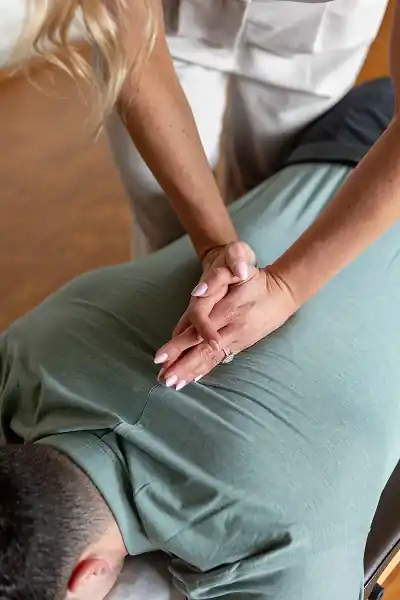
While exercise and physical therapy cannot "cure" or reverse the structural curvature of scoliosis, they are essential components of overall management. Specific exercises can help improve posture, strengthen the core muscles that support the spine, and maintain flexibility. For patients experiencing back pain related to their condition, physical therapy is often highly effective in relieving discomfort. While these methods improve quality of life and functional strength, they are usually used in conjunction with observation or bracing rather than as a standalone correction method.
Yes, there is a strong genetic link associated with scoliosis, particularly adolescent idiopathic scoliosis, which is the most common type. Approximately 30% of patients with this condition have a family history of scoliosis. If a parent or sibling has a spinal curvature, it is recommended that other children in the family be screened regularly during their growth spurts. However, the severity of the condition can vary widely among family members; a parent might have a very mild case while a child develops a more significant curve.